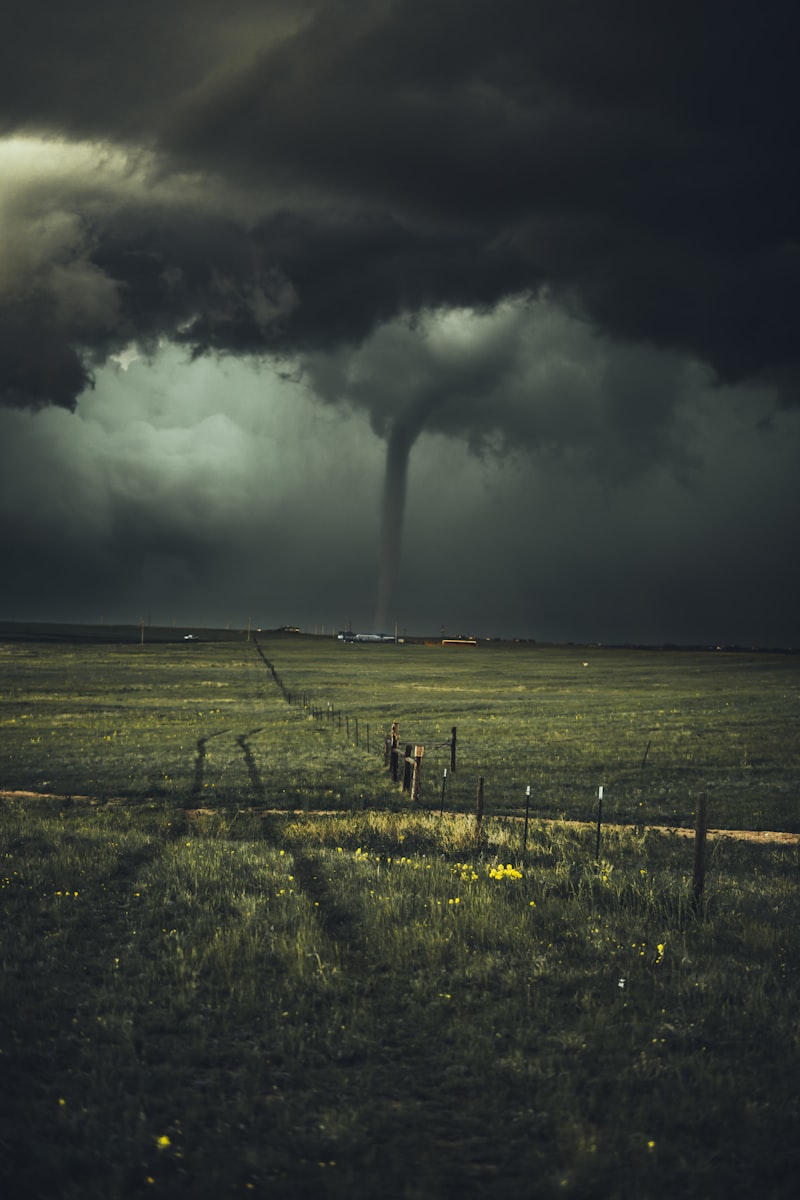
I had a customer in Malahide last winter. Storm Éowyn had peeled back half her flat roof. Water damage everywhere—ceilings, walls, carpets, furniture.
Her claim was rejected.
Not because the damage wasn’t real. Not because she’d lied. Because she made three simple mistakes in the first 48 hours that torpedoed her entire case.
After 20 years of providing quotes, assessments, and expert reports for insurance claims, I’ve seen what gets paid and what gets refused. This guide might save you thousands.
The First Thing to Understand: Insurers Aren’t Your Friends
I don’t say this to be cynical. Insurance companies provide a valuable service, and most claims are paid without drama.
But understand this: your insurer’s job is to pay valid claims and reject invalid ones. And the definition of “valid” is much narrower than most people assume.
What “storm damage” actually means to an insurer:
- Wind speeds exceeding specific thresholds (usually 55mph+)
- Documented weather event (Met Office data)
- Sudden occurrence, not gradual deterioration
- Damage directly caused by the storm, not exposed by it
That last point is critical. If a storm blew tiles off a healthy roof, that’s covered. If a storm blew tiles off a roof that was already failing due to age and neglect, you’re in murky water.
Hour 0-24: Documentation Is Everything
The moment storm damage occurs, you become an evidence collector. Here’s exactly what to document:
Photograph and Video Everything
Outside (from ground level only):
- Wide shots of the whole roof from multiple angles
- Close-ups of visible damage (missing tiles, torn felt, debris)
- The debris itself (tiles on the lawn, flashing in the garden)
- Neighbouring properties if they’re also damaged (shows it’s storm-related)
- Timestamps visible on all photos
Inside:
- Where water is entering
- Damage to ceilings, walls, floors
- Damaged belongings
- Water flow paths (staining shows the route)
The weather:
- Screenshot your phone’s weather app (date and conditions)
- Note the Met Office warnings in effect
- If possible, screenshot weather radar showing the storm
Write Down What Happened
Create a timeline while it’s fresh:
- What time did you first notice damage?
- What were the conditions?
- What did you hear? (Tiles hitting the ground, loud cracking sounds)
- What immediate action did you take?
This written account, created contemporaneously, carries weight. A vague memory three weeks later does not.
Check Met Office Records
Your insurer will verify that storm conditions existed when you claim they did. Beat them to it.
Go to metoffice.gov.uk and document:
- Weather warnings in effect for your area
- Recorded wind speeds at nearest weather station
- Rainfall totals
- Any named storm designation
If there was no weather warning and wind speeds were under 50mph, your claim will face scrutiny. Doesn’t mean it’s hopeless, but know what you’re working with.
Day 1-2: Emergency Repairs (The Right Way)
You need to stop further damage. But how you do this matters enormously.
What Insurers Expect
Your policy requires you to take “reasonable steps to prevent further loss.” This means emergency weatherproofing.
Acceptable emergency repairs:
- Tarping exposed areas
- Boarding broken skylights
- Emergency felt over missing tiles
- Temporary sealing of flashings
- Removing dangerous loose materials
What to avoid:
- Permanent repairs before assessment
- Disposing of damaged materials
- “Tidying up” that destroys evidence
Keep Everything
Do NOT throw away damaged tiles, ripped felt, broken flashings. Keep all of it.
Your loss adjuster may want to examine these materials. A pile of broken tiles is evidence of storm damage. An empty garden and a receipt saying “skip hire” is suspicious.
Get Emergency Work Documented
If you pay for emergency weatherproofing, get:
- Itemised invoice (not just “emergency repair: £500”)
- Photos of the work being done
- Before and after shots
- Written scope of work
Emergency repair costs are usually covered, but only if you can prove what was done and why.
Day 2-5: Making the Claim
Call Your Insurer
Don’t email. Call. And do it within 48 hours if possible.
What to tell them:
- “I need to report storm damage to my roof”
- Date and time of the incident
- Brief description of damage
- Confirm you’ve taken steps to prevent further damage
- Ask about their claims process and timeline
What to ask:
- Do I need to use your approved contractors, or can I choose my own?
- What’s the excess on my policy?
- Do you send a loss adjuster, or assess from photos?
- What documentation do you need from me?
Critical: Write down the name of everyone you speak to, date, time, and what was discussed. If a claim goes sideways, this record is invaluable.
Understand Your Excess
Most British home insurance has an excess of £250-500 for buildings claims. Some storm-specific excesses are higher—I’ve seen £1,000 storm excesses.
If your repair cost is £800 and your excess is £500, you’re claiming £300. Is that worth the potential premium increase? Sometimes yes, sometimes no. Know the maths before you commit.
Don’t Exaggerate
This sounds obvious, but desperation makes people embellish.
If the storm damaged 20 tiles, don’t claim 40 were already loose anyway. Insurers have seen every trick. Exaggeration—even minor—can void your entire claim and potentially future coverage.
Be precise. Be honest. Let the real damage speak for itself.
The Assessment Process
Loss Adjusters: Friend or Foe?
A loss adjuster works for the insurance company. Their job is to verify the claim is valid and determine the payout amount.
Some are fair and straightforward. Some are hired specifically to find reasons to reduce or reject claims. You won’t know which you’re getting until they arrive.
Preparing for their visit:
- Have your documentation folder ready
- Know your policy details (coverage, excess)
- Be present during the inspection
- Take your own photos of what they examine
- Don’t sign anything on the spot
What they’re looking for:
- Evidence the damage is storm-related (sudden event, not wear)
- Pre-existing conditions that contributed
- Whether emergency repairs were reasonable
- Signs of maintenance neglect
The Pre-Existing Condition Issue
This is where claims die.
Scenario: Storm damages your roof. Adjuster inspects. Discovers your roof was already in poor condition—old mortar, previous repairs, failing felt.
Insurer’s argument: “The storm didn’t cause this. The storm revealed existing deterioration. You’re not covered for wear and tear.”
Your position: “Yes, my roof wasn’t new. But it was weathertight until the storm. The storm caused the breach.”
Reality: Usually somewhere in between. A negotiation.
How to strengthen your position:
- Previous roof inspection reports showing it was sound
- Photos from before the storm (estate agent photos, previous repair records)
- Statement from a qualified roofer about the roof’s pre-storm condition
- Evidence that similar roofs in the area also failed (localised storm intensity)
Getting Quotes
How Many Quotes?
Your insurer will typically want two or three quotes for permanent repair.
Don’t just get the quotes—get the right quotes.
What makes a good quote:
- Itemised breakdown (materials, labour, access equipment)
- Clear scope of work
- Timeline
- Company details (insurance, registration)
- Photos attached showing what they’re quoting on
What makes a bad quote:
- “Roof repair: £5,000”
- No company details
- Wildly different from other quotes without explanation
- From someone who didn’t actually inspect the roof
The “Like for Like” Question
Your policy probably requires “like for like” replacement. This means:
- Slate roof damaged → slate repair covered
- Slate roof damaged → upgrade to tiles = you pay the difference
If your roof had natural slate and the cheapest repair quote is concrete tiles, that’s not a valid comparison. Insist on like-for-like quotes, even if they’re higher.
My Quote vs. Their Quote
Sometimes insurers have “approved contractor” networks. Their contractors provide quotes.
You’re generally entitled to use your own contractor if the price is reasonable. “Reasonable” means within the range of market rates for the work specified.
If the insurer’s approved contractor quotes £3,000 and your preferred roofer quotes £4,500, you’ll need to justify the difference or accept the approved contractor.
If both quotes are around £4,000, you should be able to use whoever you prefer.
Common Reasons Claims Get Rejected (And How to Avoid Them)
1. No Proof of Storm Conditions
The rejection: “We have no evidence that storm conditions existed at your property on the date claimed.”
Prevention: Document the weather immediately. Screenshot warnings, note Met Office data, photograph conditions.
2. Maintenance Neglect
The rejection: “Inspection revealed the roof was in poor condition prior to the incident. The policy excludes damage caused by lack of maintenance.”
Prevention: Regular maintenance records. Annual inspections documented. Receipts for previous repairs. A roofer’s statement that the roof was weathertight before the storm.
3. Gradual Damage Claimed as Sudden
The rejection: “The damage described is consistent with gradual deterioration rather than a sudden event.”
Prevention: Only claim genuine storm damage. If your roof was leaking before the storm, that’s not a storm claim—even if the storm made it worse.
4. Late Notification
The rejection: “The claim was not reported within the required timeframe.”
Prevention: Report within 48 hours. Definitely within 7 days. The longer you wait, the harder it is to prove the storm caused it.
5. Disposal of Evidence
The rejection: “We were unable to examine the damaged materials to verify the cause of loss.”
Prevention: Keep everything until the claim is settled. Every broken tile, every torn piece of felt.
6. Inconsistent Statements
The rejection: “The account provided to our assessor differs from the initial claim notification.”
Prevention: Be accurate the first time. Refer to your written timeline. Don’t guess or embellish.
If Your Claim Is Rejected
It’s not over. Claims get overturned.
Internal Appeal
First step: ask for written reasons for rejection, then formally appeal to the insurer.
Include:
- Why you believe the rejection is wrong
- Additional evidence if available
- Reference to specific policy terms
Financial Services Ombudsman
If the internal appeal fails, you can complain to the Financial Services and Pensions Ombudsman (FSPO).
This is free, and the FSPO can order insurers to pay claims they’ve wrongly rejected.
Key things the FSPO looks at:
- Did the insurer act fairly?
- Was the policy wording clear?
- Was the assessment reasonable?
I’ve seen claims rejected by insurers, taken to the FSPO, and paid in full. The process takes time (often 12-18 months), but it works.
Independent Assessment
If there’s dispute over the cause or extent of damage, you can commission an independent surveyor or roofing expert to provide a report.
This costs money (£300-600 typically), but if it overturns a £15,000 rejection, it’s the best money you’ll spend.
How I Help With Insurance Claims
When customers need insurance quotes, I provide:
- Detailed damage assessment with photos
- Clear scope of proposed repairs
- Itemised quote in insurance-friendly format
- Statement of roof condition (pre- and post-damage)
- Site visit if required for loss adjuster
I don’t do “insurance quotes” at inflated prices. I do honest quotes that reflect the actual work needed. Insurers can spot padding a mile away, and it only hurts the customer.
If you need an expert letter supporting your claim, I can provide that too—stating what I observed, the likely cause, and why I believe it’s storm-related.
Final Tips for a Smooth Claim
- Document obsessively from minute one
- Report quickly—48 hours maximum
- Keep all damaged materials
- Get proper itemised quotes
- Be honest—always
- Know your policy before you need it
- Don’t accept rejection without appeal
Storm damage is stressful enough without insurance hassles. Do this right, and you’ll get what you’re owed.
Need a roof assessment for your insurance claim?
We provide detailed reports and itemised quotes accepted by all major British insurers.
Or call: +44 89 981 9675
Seamus O’Brien has provided expert assessments for hundreds of insurance claims across UK.
Tags:
Need Professional Roofing Services?
Our expert team is ready to help with all your roofing needs across UK.
Get Your Free Quote